

Dubai begins Dh100 million Ras Al Khor wildlife sanctuary upgrade
Mangrove coverage to rise by 60% through extensive rehabilitation plans
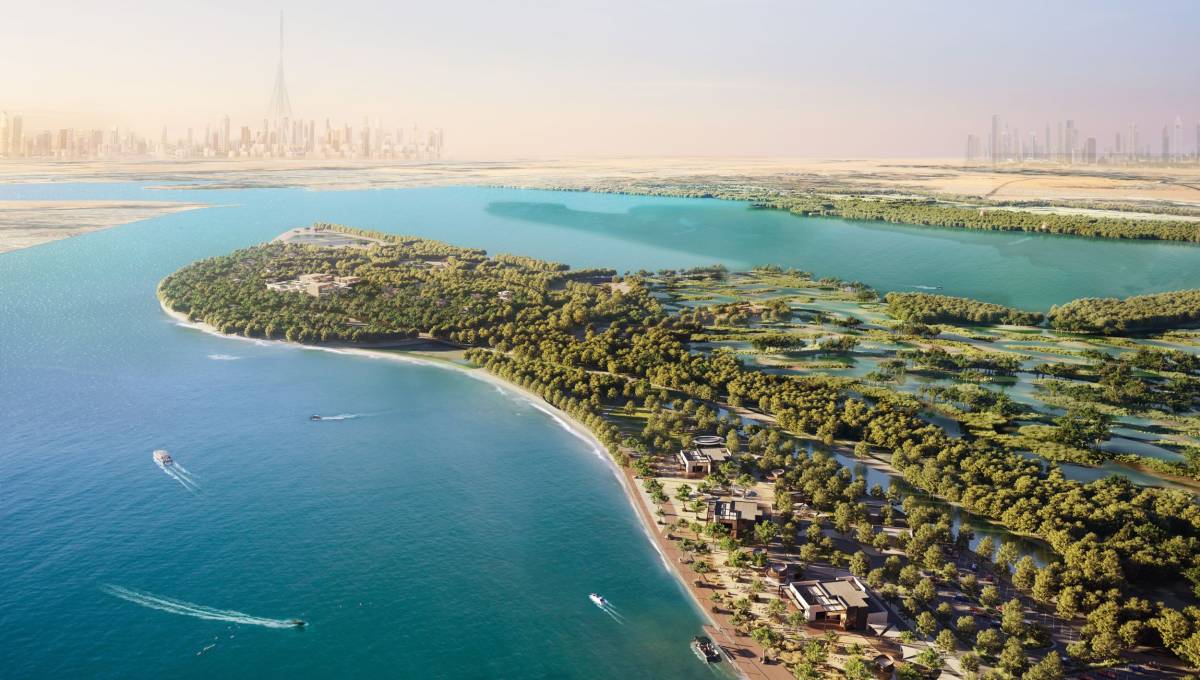
DUBAI Municipality has awarded the contract for Phase 1 of the Ras Al Khor Wildlife Sanctuary Development Project, with the initial stage valued at Dh100 million.
The total cost of the two-phase transformation is estimated at Dh650 million. The project aims to reinforce Dubai’s position as a leading global eco-tourism destination, aligned with the Dubai Economic Agenda D33 and the Dubai 2040 Urban Master Plan.
The initiative supports directives from His Highness Sheikh Mohammed bin Rashid Al Maktoum, Vice President and Prime Minister of the UAE and Ruler of Dubai, to enhance the city’s natural reserves. Strategically designed for both residents and tourists, the sanctuary upgrade seeks to promote recreational and environmental experiences while maintaining ecological integrity.
The sanctuary, a key biodiversity hotspot in the UAE, will be elevated into a flagship sustainable tourism destination. With a footprint of approximately 6.4 square kilometres, it already plays host to 20,000 migratory birds annually and houses over 450 species of flora and fauna.
Environmental enhancements
Phase 1 of the project will focus on ecological restoration, habitat rehabilitation, and water system upgrades. Mangrove coverage will be increased by 60%, from 40 to 65 hectares, through new plantation schemes and irrigation channels. Additional features include a new mangrove lake, reed ponds, North Edge Lake, and the development of a central Green Spine to enhance natural connectivity.
Water bodies within the sanctuary will expand by 144%, bringing the total area to 74 hectares. This expansion is expected to improve the ecosystem's carbon dioxide absorption capacity by 60%, contributing to Dubai’s broader climate and environmental objectives.
Another major addition in this phase is the introduction of 10 hectares of new mudflats, also known as salt flats. These landscapes serve as vital feeding grounds for migratory birds and will support greater biodiversity within the reserve.
Tourism and community impact
The Ras Al Khor development is positioned as a benchmark for eco-tourism and sustainable urban development in the region. Eng. Marwan Ahmed bin Ghalita, Director General of Dubai Municipality, said the project represents one of the emirate’s most ambitious environmental infrastructure developments to date.
“It enhances the appeal of Dubai’s nature reserves as diverse destinations,” he noted. “With its unique design, the project reflects our commitment to biodiversity protection through innovative, sustainable practices.”
Bader Anwahi, CEO of the Public Facilities Agency at Dubai Municipality, said the sanctuary will see a six-fold increase in visitors post-completion, potentially welcoming between 250,000 and 300,000 people annually. He added that the development will create educational and investment opportunities, strengthen public environmental awareness, and promote Dubai’s eco-tourism goals.
Next phase details
The second phase of the project will involve building essential infrastructure and recreational services over an area of 20,000 square metres. This includes a visitor centre highlighting the sanctuary’s flora and fauna, birdwatching towers, and commercial outlets such as restaurants and kiosks.
Further amenities include environmental education hubs and event spaces designed to foster public engagement and community-led conservation efforts. Outdoor activities will also be a major feature, with 5.6 kilometres of dedicated cycling tracks and three kilometres of walking trails planned through the sanctuary’s natural terrain.
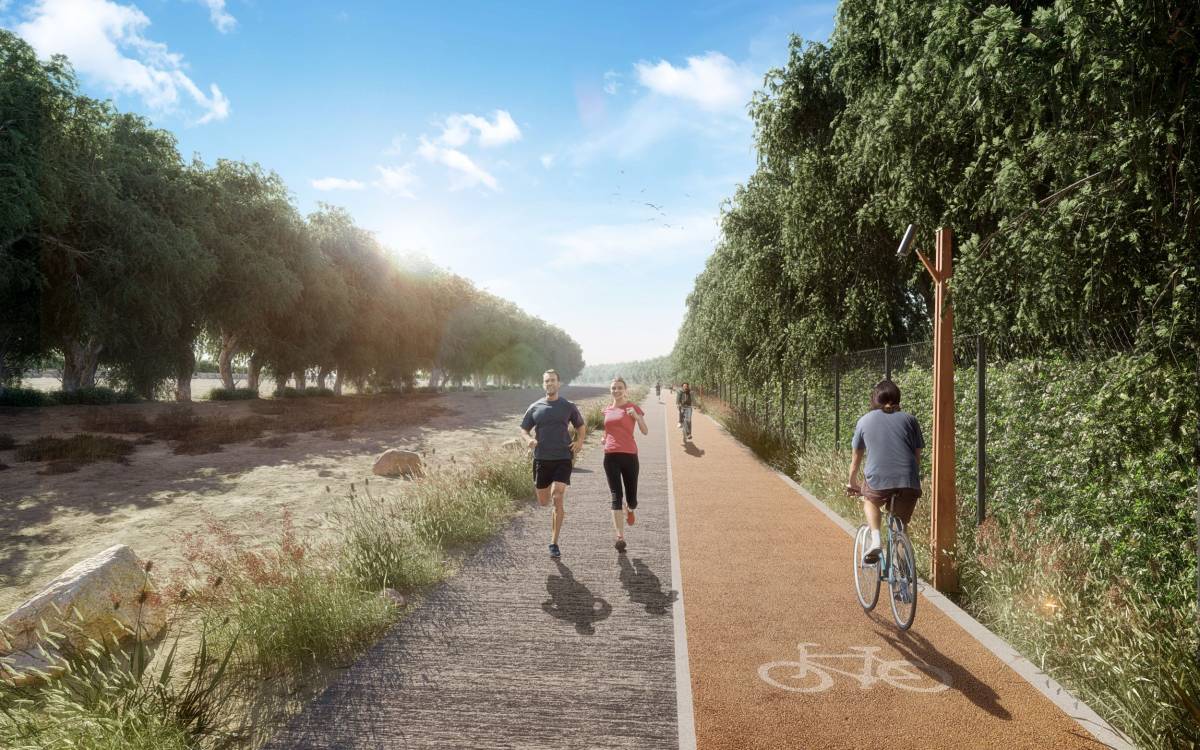
An additional 23 hectares will be landscaped as part of this phase, enhancing both visitor experience and the sanctuary’s visual and environmental appeal.
International recognition
Designed by leading environmental consultancy firms, the Ras Al Khor project has already received seven international and regional awards. The accolades recognise the project’s excellence in sustainable design, planning, and community integration.
Dubai Municipality is working in coordination with the Dubai Environment and Climate Change Authority to ensure that every aspect of the sanctuary meets top global standards. The sanctuary itself holds significant environmental status – it was the first UAE site listed under the Ramsar Convention on Wetlands of International Importance in 2007 and is classified under IUCN guidelines.
With 47 hectares of mangroves and a thriving population of flamingos, Ras Al Khor is one of the most biologically diverse reserves in the region. The current upgrade seeks to secure its future as a model for sustainability, conservation, and eco-tourism.